Here is the comprehensive, SEO-optimized blog post you requested, complete with the required HTML links and exact keyword placement.
—
The Ultimate Guide to Perfect Smoked Turkey: Juicy, Golden & Foolproof
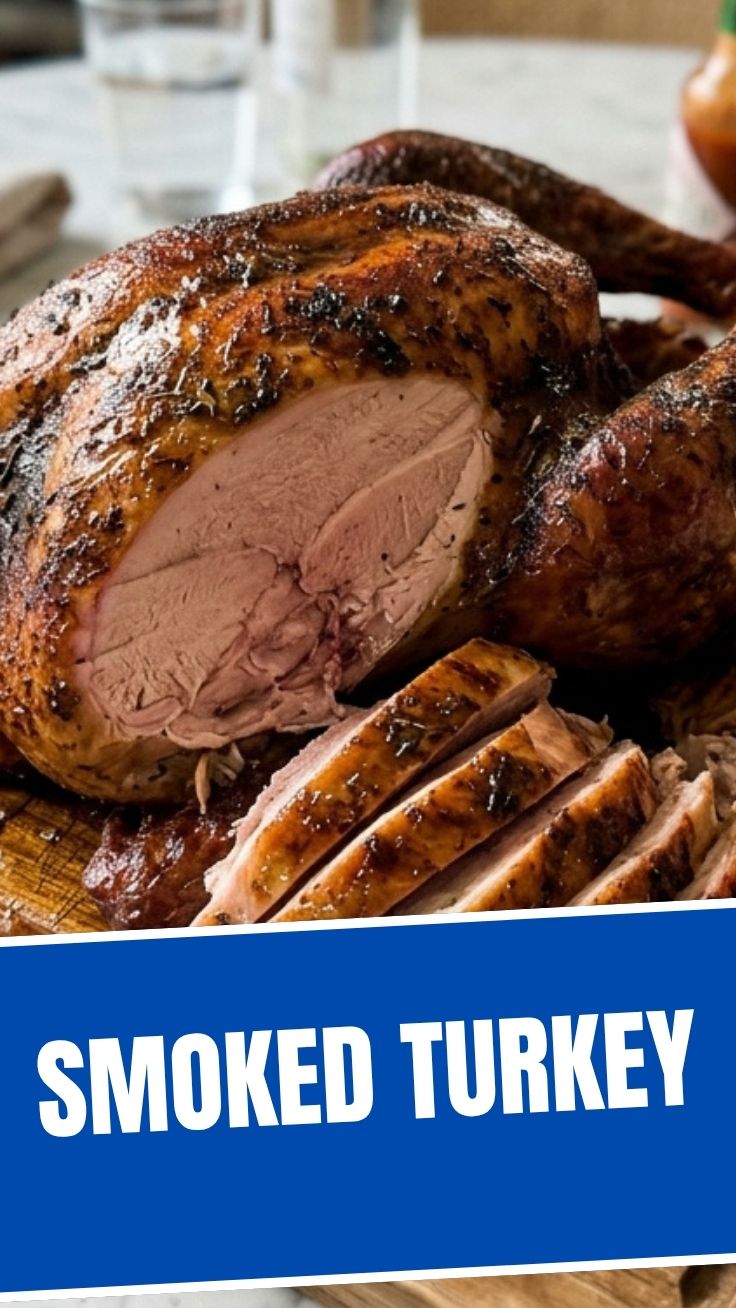
Have you ever dreamed of a holiday turkey that is impossibly moist, infused with a deep, smoky aroma, and boasts crackling, mahogany skin? Achieving that restaurant-quality centerpiece at home isn’t as elusive as you think. The secret lies not just in the smoker, but in mastering the science behind a well-prepared bird. Preparing a Smoked Turkey at home unlocks a flavor profile that oven-roasting simply cannot match—plus, it frees up your oven for all those sides. Whether you are a weekend pitmaster or a first-timer, this data-driven guide will walk you through every step to ensure a bird that is both succulent and unforgettable.
Ingredients & Kitchen Tools
To guarantee success, gather these items before you fire up the smoker. Precision matters.
For the Turkey:
– 1 whole turkey (10–14 lbs): A smaller bird (under 14 lbs) smokes more evenly and stays juicier. Avoid turkeys over 16 lbs for beginners.
– Kosher salt (1 cup for dry brine): It penetrates deeper than table salt due to its larger crystals.
– Brown sugar (½ cup): Adds a subtle sweetness and helps the skin caramelize.
– Smoking wood (apple, cherry, or hickory): Fruit woods like apple or cherry offer a mild, sweet smoke that doesn’t overpower the turkey.
– Unsalted butter (½ cup, softened): Slathered under the skin for richness.
Essential Tools & Utensils:
– Smoker (pellet, charcoal, or electric): Must hold a steady 225°F–250°F.
– Instant-read meat thermometer: The single most important tool. Do not rely on built-in pop-up timers.
– Large brining bag or pot: For wet brining (optional) or dry brining.
– Disposable aluminum drip pan: Catches drippings and prevents flare-ups.
– Spray bottle with apple juice or chicken broth: For spritzing to keep the skin moist during the long cook.
Optional Substitutions: Use turkey breast only for a shorter cook time, or swap butter for olive oil if you are dairy-free. For a spicy kick, add cayenne or smoked paprika to the dry brine.
Prep Time & Cooking Schedule
– Dry Brine Time: 24–48 hours (in the fridge, uncovered)
– Prep Time: 20 minutes
– Smoke Time: 3.5–4.5 hours (10–14 lb bird at 225°F)
– Resting Time: 30–45 minutes (essential for juice redistribution)
Planning Tip: Start brining two days before your meal. On smoking day, aim to have the turkey on the smoker by mid-morning. A 12 lb bird typically takes about 4 hours. Always allow an extra hour buffer because every smoker behaves differently.
Step-by-Step Instructions
1. Prepare the Bird: Pat the turkey completely dry with paper towels. Remove the giblets and neck. Using your fingers, gently loosen the skin over the breast and thighs.
2. Apply the Dry Brine: Mix kosher salt and brown sugar. Rub this mixture all over the turkey, including under the skin and inside the cavity. Place the bird on a wire rack over a baking sheet. Refrigerate uncovered for 24–48 hours. This is the foundation of a perfect Brining Turkey; it locks in moisture and seasons the meat deep to the bone.
3. Bring to Room Temp: Remove the turkey from the fridge 1 hour before smoking. Rinse off the brine (optional) and pat bone-dry again.
4. Season & Butter: Rub softened butter mixed with black pepper, garlic powder, and thyme under and over the skin. Tuck the wings and tie the legs with butcher’s twine.
5. Preheat Smoker: Set your smoker to 225°F. Add your chosen wood chunks or pellets.
6. Smoke: Place turkey breast-side up in a disposable pan or directly on the grate. Insert a probe thermometer into the thickest part of the breast (not touching bone). Spritz with apple juice every 45 minutes after the first 2 hours.
7. Monitor Temp: Smoke until the breast reaches 155°F and the thigh reaches 170°F—the carryover cooking will bring it to a safe 165°F and 175°F respectively. Expect about 20–25 minutes per pound.
8. Rest & Carve: Remove from smoker, tent loosely with foil, and rest for at least 30 minutes. This step is non-negotiable for a juicy Smoked Turkey.
Nutritional Benefits & Advantages
Smoked turkey is a lean, high-protein centerpiece perfect for health-conscious gatherings. A 3-ounce serving of skinless smoked turkey breast provides about 25 grams of protein and only 135 calories. It is also rich in selenium, phosphorus, and B vitamins like niacin and B6, which support metabolism and brain health.
By smoking instead of deep-frying, you avoid excessive added fats. The dry Brining Turkey technique further reduces sodium compared to commercial brines or injected solutions, giving you full control over ingredients. Plus, smoking imparts a smoky flavor without needing heavy sauces or gravies.
Tips, Variations & Cooking Advice
– Flavor Swaps: Use a coffee-based dry rub for a bold, earthy crust, or try a citrus-herb butter (lemon zest, rosemary, sage) under the skin.
– Cooking Method: If using a gas grill, set up for indirect heat. If the skin is browning too fast, tent with foil or reduce temperature to 200°F for the last hour.
– Dietary Adaptations: This recipe is naturally gluten-free (check spice blends). For dairy-free, replace butter with coconut oil or avocado oil.
– Time Saver: For a smaller gathering, smoke just a turkey breast—it cooks in about 2 hours and is easier to slice.
Common Mistakes to Avoid
– Skipping the Brine: A bird that is not brined will almost always be dry. The dry brine is the single most important step.
– Opening the Smoker Too Often: Every time you open the lid, heat escapes and smoke dissipates. Spritz quickly and limit peek-ins.
– Not Letting It Rest: Carving a hot turkey immediately forces juices onto the cutting board instead of staying in the meat.
– Using Too Much Wood: Strong woods like mesquite can make the meat bitter. Stick to fruit woods for a balanced smokiness.
– Ignoring Carryover Cooking: Pull the bird 5–10°F before your target temperature. The internal temp will rise while resting.
Storage & Meal Prep Tips
Refrigeration: Store leftover carved turkey in an airtight container for up to 4 days. Keep skin on to retain moisture.
Freezing: Wrap slices in plastic wrap then foil, or vacuum seal. Frozen turkey stays fresh for up to 3 months.
Reheating: To prevent drying, reheat in a 300°F oven with a splash of broth covering the meat until warmed through (about 15 minutes). Avoid microwaving unless you want rubbery meat.
Meal Prep: Shred leftover Smoked Turkey for tacos, salads, or sandwiches. The smoky flavor elevates any dish.
Conclusion
Mastering a perfectly cooked Smoked Turkey at home is a game-changer for holiday dinners and weekend feasts alike. By committing to a 24-hour dry Brining Turkey process, maintaining a steady 225°F smoker temperature, and respecting the resting period, you will serve a bird that is tender, flavorful, and visually stunning. There is no better way to impress family and friends while reclaiming your oven space. Try this method for your next gathering—your taste buds (and your guests) will thank you. Once you taste the difference, you’ll never look back.
FAQs
Q: Can I smoke a frozen turkey without thawing?
No. You must fully thaw the turkey in the refrigerator (allow 24 hours per 4–5 lbs). Smoking a partially frozen bird creates dangerous temperature zones.
Q: What is the best wood for smoked turkey?
Fruit woods like apple and cherry produce mild, sweet smoke. Pecan and maple are also excellent. Avoid heavy woods like mesquite unless you want an overpowering flavor.
Q: My turkey skin turned out rubbery. Why?
Rubbery skin is usually caused by too low of a temperature or not drying the skin thoroughly. Try smoking at 275°F for the last 30 minutes, or add a short blast of high heat (400°F) at the end.
Q: Can I use a wet brine instead of a dry brine?
Absolutely. A wet brine (salt, sugar, water, herbs) works well but adds more moisture to the skin, making it harder to achieve crispy skin. Dry brine produces superior skin texture.
Q: How do I keep the breast moist while the thighs finish cooking?
Place a small ice pack or frozen butter pat on the breast after it reaches 145°F. This slows its cooking while the dark meat catches up. Alternatively, remove the breast and continue smoking the legs and thighs separately.
Smoked Turkey
Ingredients
Equipment
Method
- Brine the turkey in a mixture of water, salt, brown sugar, and herbs for 24 hours.
- Remove the turkey from the brine and pat it dry with paper towels.
- Apply a generous rub of paprika, garlic powder, onion powder, black pepper, and cayenne.
- Melt the butter and inject it into the turkey's breast and thighs.
- Preheat your smoker to 225°F (107°C) and add your favorite wood chips.
- Place the turkey in the smoker and cook for approximately 6 hours, or until the internal temperature reaches 165°F (74°C).
- Baste the turkey with pan drippings every hour to keep it moist.
- Rest the turkey for at least 30 minutes before carving to allow the juices to redistribute.