The Ultimate Creamy Mashed Potatoes with Rich Gravy—A Bowl of Comfort Worth Making at Home
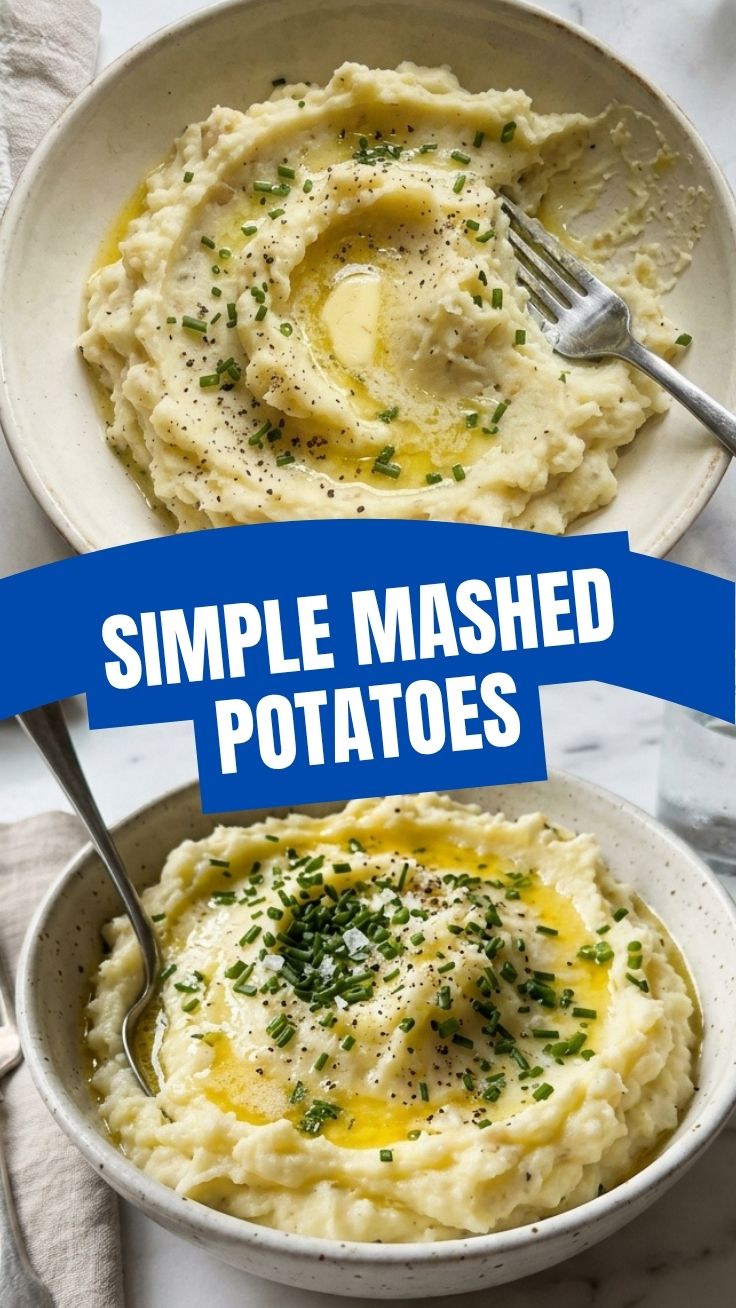
Have you ever wondered why restaurant-style mashed potatoes taste so irresistibly silky while yours sometimes turn out gluey or bland? The secret isn’t a special ingredient—it’s technique, timing, and a little patience. Preparing velvety mashed potatoes from scratch at home not only saves money but lets you control every element, from the butter quality to the seasoning depth. A bowl of creamy mashed potatoes paired with a luscious smooth gravy is the ultimate comfort food that elevates any weeknight dinner or holiday feast. When you master this duo, you’ll never reach for a boxed mix again.
—
Ingredients & Kitchen Tools
For the Mashed Potatoes
– 2 lbs Yukon Gold or Russet potatoes – Yukon Golds offer a naturally buttery flavor and creamy texture; Russets give a fluffier, lighter mash.
– ½ cup unsalted butter – Use high-quality butter for the richest taste. Vegan butter works as a substitute.
– ½ to ¾ cup whole milk or heavy cream – Warm the liquid before adding to keep the mash hot and smooth. For dairy-free, use unsweetened oat milk or full-fat coconut milk.
– 1 tsp salt – Plus more for the boiling water.
– ¼ tsp white pepper – White pepper blends in without dark specks; black pepper is fine too.
For the Gravy
– 2 tbsp butter or pan drippings
– 2 tbsp all-purpose flour – For gluten-free, use cornstarch or a 1:1 gluten-free flour blend.
– 1½ cups low-sodium chicken or beef broth – Vegetable broth works for a vegetarian version.
– ¼ cup heavy cream or milk – Optional, for extra richness.
– Salt, black pepper, and thyme – To taste.
Kitchen Tools
– Large pot – For boiling potatoes.
– Colander – For draining.
– Potato masher, ricer, or food mill – A ricer produces the smoothest mash.
– Whisk – For lump-free gravy.
– Wooden spoon or spatula
– Measuring cups and spoons
– Small saucepan – For gravy.
—
Prep Time & Cooking Schedule
– Prep time: 15 minutes (peeling, chopping, measuring)
– Cook time: 25–30 minutes (boiling potatoes) + 10 minutes (mashing and gravy)
– Resting time: 5 minutes (let the mash settle before serving)
– Total time: Approximately 55 minutes
Plan to start the potatoes first, then prepare the gravy while the potatoes boil. This timing ensures both components are hot and ready to plate together.
—
Step-by-Step Instructions
1. Peel and cut the potatoes into uniform 1½-inch chunks. Uniform size guarantees even cooking—no hard centers or waterlogged pieces.
2. Rinse the potato chunks under cold water to remove excess starch. This prevents a gluey texture.
3. Place potatoes in a large pot and cover with cold water by 1 inch. Add 1 tablespoon salt. Bring to a boil over high heat, then reduce to a simmer.
4. Cook until fork-tender – about 15–18 minutes. A paring knife should slide through with zero resistance. Overcooking makes potatoes waterlogged; undercooking leaves lumps.
5. Drain the potatoes thoroughly in a colander. Let them steam dry for 2 minutes—this removes excess moisture that dilutes the mash.
6. Return potatoes to the pot and mash immediately while hot. For the silkiest creamy mashed potatoes, use a ricer or food mill. Avoid over-mashing or using a food processor, which can create a gummy texture.
7. Add the butter in pieces and stir until melted. Slowly pour in the warm milk or cream, stirring gently. Season with salt and white pepper. Taste and adjust.
8. For the gravy, melt butter or drippings in a small saucepan over medium heat. Whisk in flour and cook for 1 minute until golden. Slowly pour in broth while whisking constantly to prevent lumps.
9. Simmer the gravy for 3–4 minutes until thickened. Stir in cream if desired. Season with salt, pepper, and thyme. The result should be a glossy, smooth gravy that coats the back of a spoon.
10. Serve immediately: Spoon a generous portion of Mashed Potatoes onto a plate, create a small well, and ladle the Gravy over the top.
—
Nutritional Benefits & Advantages
Potatoes are often misunderstood. A medium potato with skin provides about 4 grams of fiber, more potassium than a banana, and a solid dose of vitamin C. When paired with butter and milk, the dish becomes a source of energy-sustaining carbohydrates and fat-soluble vitamins. Using Yukon Golds boosts the natural butteriness, allowing you to use less added fat while still achieving a luxurious texture. The gravy, especially when made with bone broth, adds collagen and minerals. This dish is also naturally gluten-free if you substitute the flour in the gravy. For a lighter version, swap heavy cream for low-fat milk and reduce butter by half—you’ll still enjoy satisfying creamy mashed potatoes without the full calorie load.
—
Tips Variations & Cooking Advice
– Flavor variations: Roast a garlic bulb and mash the cloves into the potatoes for sweet, mellow depth. Add chopped chives, rosemary, or crispy fried shallots on top.
– Dairy-free adaptation: Use vegan butter and unsweetened oat milk. For extra richness, stir in a spoonful of cashew cream.
– Herb gravy: Add fresh sage or rosemary to the gravy for a Thanksgiving-style twist.
– Make it ahead: Mash the potatoes, spread them in a buttered baking dish, and refrigerate. Before serving, dot with extra butter and bake at 350°F for 20 minutes.
– Texture tip: For ultra-luxe potatoes, pass the cooked potatoes through a ricer twice. For a rustic mash, leave some small lumps using a hand masher.
—
Common Mistakes to Avoid
| Mistake | Why It Happens | Fix |
|—|—|—|
| Gummy texture | Over-mashing or using a food processor | Use a ricer or hand masher; stop as soon as ingredients are combined. |
| Lumpy mash | Under-cooked potatoes or uneven chunks | Cut uniform pieces and cook until fork-tender. |
| Watery gravy | Not enough flour or insufficient simmering | Whisk in a slurry of 1 tsp cornstarch and 2 tbsp cold water; simmer until thickened. |
| Gluey potatoes | Overworking the starch | Mash gently and add warm liquid slowly. |
| Bland flavor | Under-seasoning the cooking water | Salt the potato water generously—it seasons from the inside out. |
Avoiding these pitfalls ensures your creamy mashed potatoes turn out perfect every time, with a smooth gravy that clings beautifully.
—
Storage & Meal Prep Tips
– Refrigeration: Store leftovers in an airtight container for up to 4 days. Press plastic wrap directly onto the surface of the potatoes to prevent a skin from forming.
– Freezing: Mashed potatoes freeze surprisingly well. Portion into freezer-safe bags, flatten, and freeze for up to 3 months. Thaw overnight in the fridge.
– Reheating: Warm potatoes in a saucepan over low heat, adding a splash of milk or cream and stirring frequently. For the oven, place in a covered dish at 325°F for 15–20 minutes. Avoid the microwave, which can make the texture rubbery.
– Gravy storage: Store separately from the potatoes. Reheat in a saucepan, whisking in a little broth if it has thickened too much.
—
Conclusion
Mastering this classic pairing transforms a simple side dish into the star of the table. With the right technique—using a ricer, warming your dairy, and seasoning boldly—you can create restaurant-quality creamy mashed potatoes at home. Pair them with a silky smooth gravy made from pan drippings or broth, and you have a versatile foundation that complements roast chicken, steak, meatloaf, or holiday turkey. Try this recipe for your next family dinner, and don’t forget to share your results in the comments or tag us in your photos. For more comforting classics, explore our collection of hearty sides and sauces.
—
FAQs
1. Can I make mashed potatoes without dairy?
Absolutely. Use vegan butter and unsweetened oat milk or cashew cream. The texture will still be rich and creamy.
2. Why are my mashed potatoes gluey?
Gluey texture usually comes from over-mashing or using a food processor, which overworks the starch. Stick to a ricer or gentle hand mashing.
3. How do I fix lumpy gravy?
Strain it through a fine-mesh sieve to remove lumps, then whisk in a small amount of cold broth and simmer again.
4. Can I prepare the gravy in advance?
Yes. Make the gravy up to 3 days ahead and store it in the fridge. Reheat gently, whisking in a splash of broth if needed.
5. What’s the best potato for creamy mashed potatoes?
Yukon Golds are ideal for their buttery flavor and creamy texture. Russets work well too but require a bit more fat to achieve the same richness.
Proven way to grow perfect Mashed Potatoes
Ingredients
Equipment
Method
- Place the peeled and quartered potatoes in a large pot and cover them with cold water, adding a pinch of salt.
- Bring the water to a boil over high heat, then reduce heat to medium and simmer until the potatoes are tender, which usually takes about 15-20 minutes.
- Drain the cooked potatoes thoroughly and return them to the pot.
- Add milk, butter, salt, and pepper to the pot, then mash the potatoes until smooth and creamy, adjusting seasonings as needed.
- Serve the mashed potatoes immediately as a side dish to your favorite meal.