The Ultimate Mediterranean Classic: Fresh, Tangy, and Bursting with Flavor
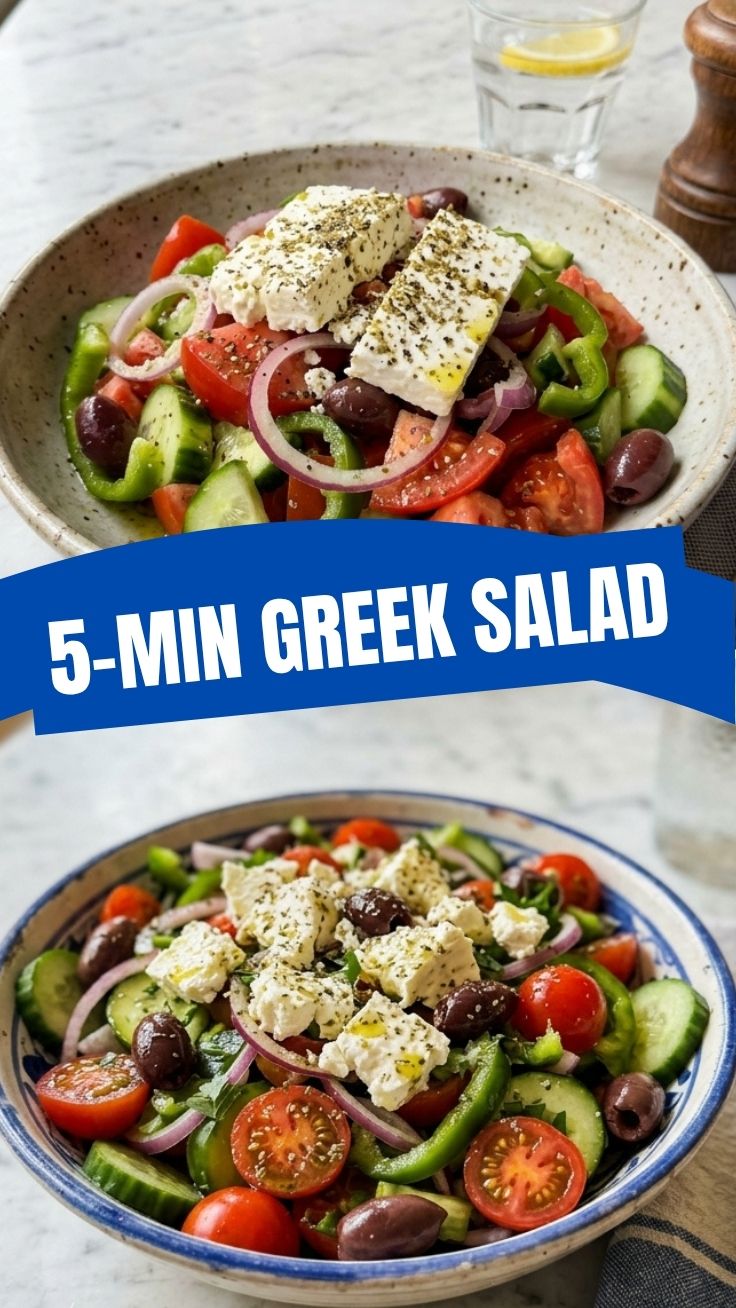
Have you ever wondered what makes a simple bowl of vegetables transform into an unforgettable culinary experience? The answer lies in the perfect balance of crisp cucumbers, juicy tomatoes, tangy feta, and briny olives—all brought together by a zesty oregano dressing. This vibrant dish is none other than the beloved Greek Salad, a cornerstone of Mediterranean cuisine that has won hearts worldwide. Preparing this iconic salad at home not only saves you money but also lets you control the quality of every ingredient, ensuring a fresher, more authentic taste. Whether you are looking for a quick lunch or a side dish for grilled meats, mastering the Greek Salad is a skill every home cook should have.
—
Ingredients & Kitchen Tools
Ingredients
– 4 large ripe tomatoes: Choose firm, vine-ripened tomatoes for the best sweetness and texture. Roma or beefsteak varieties work well.
– 1 English cucumber: Unwaxed and crisp; peel partially if desired. Avoid waxed cucumbers which can be bitter.
– 1 red onion: Thinly sliced; for a milder flavor, soak slices in cold water for 10 minutes before using.
– 1 green bell pepper: Seeded and sliced into rings; adds crunch and color.
– 200g (7 oz) feta cheese: Block-style, preferably in brine. Crumble or slice into thick slabs.
– 100g (3.5 oz) Kalamata olives: Pitted for convenience; they provide a salty, briny kick.
– 3 tablespoons extra virgin olive oil: High-quality, cold-pressed for maximum flavor.
– 1 tablespoon red wine vinegar: Adds acidity; substitute with lemon juice if preferred.
– 1 teaspoon dried oregano: Greek oregano is ideal; rub between palms to release oils.
– Salt and freshly ground black pepper: To taste; remember olives and feta are already salty.
– Optional: Fresh parsley, capers, or a pinch of sugar to balance acidity.
Kitchen Tools
– Large mixing bowl: Wooden or glass to avoid metallic tastes.
– Chef’s knife and cutting board: For chopping vegetables uniformly.
– Measuring spoons: For precise oil, vinegar, and seasoning.
– Small whisk or fork: For emulsifying the dressing.
– Salad servers or tongs: For gentle tossing without crushing vegetables.
Substitutions
– Feta: Goat cheese or vegan feta for dairy-free diets.
– Olives: Green olives or sun-dried tomatoes for a different briny note.
– Red wine vinegar: Balsamic or white wine vinegar in a pinch.
—
Prep Time & Cooking Schedule
– Prep Time: 15 minutes
– Cook Time: 0 minutes (no cooking required)
– Resting Time: 5–10 minutes (optional, allows flavors to meld)
– Total Time: 15–25 minutes
Why this matters: Greek salad is famously a no-cook dish, making it ideal for hot summer days or busy weeknights. The short resting period is optional but recommended—letting the salad sit for even 5 minutes allows the tomatoes to release juices that mingle with the dressing, creating a slightly saucy base that coats every bite.
—
Step-by-Step Instructions
1. Prepare the vegetables: Wash all produce thoroughly. Cut tomatoes into wedges or large chunks—avoid dicing them too small to prevent mushiness. Slice the cucumber in half lengthwise, then into half-moons about ½-inch thick. Thinly slice the red onion into rings. Slice the bell pepper into thin rings or half-rings.
2. Combine in a bowl: Place all chopped vegetables in a large mixing bowl. Add the Kalamata olives. Do not add feta yet—it should remain on top for presentation.
3. Make the dressing: In a small bowl, whisk together extra virgin olive oil, red wine vinegar, dried oregano, and a pinch of salt and pepper. Taste and adjust—it should be tangy and herbaceous. For a sweeter profile, add a pinch of sugar.
4. Dress and toss: Drizzle the dressing over the vegetables. Use salad servers to gently toss everything until evenly coated. Be careful not to crush the tomatoes.
5. Top with feta: Crumble or slice the feta cheese over the top. Some prefer large slabs for dramatic presentation, while others like small crumbles for even distribution.
6. Final touch: Sprinkle a little extra oregano and a drizzle of olive oil on top. Serve immediately or let rest for 5–10 minutes.
Pro Tip: For the best texture, add the dressing just before serving. Pre-dressed salad can become watery if left too long. This is where mastering the Greek Salad Recipe matters—timing is everything to keep the vegetables crisp.
—
Nutritional Benefits & Advantages
This salad is a powerhouse of nutrition and aligns perfectly with the Mediterranean diet. Here’s what makes it so beneficial:
– Tomatoes are rich in lycopene, an antioxidant linked to reduced risk of heart disease and cancer. Cooking enhances lycopene, but raw tomatoes provide vitamin C.
– Cucumbers are hydrating (96% water) and contain silica, which supports skin and bone health.
– Olive oil provides heart-healthy monounsaturated fats and anti-inflammatory polyphenols.
– Feta cheese offers calcium and protein, though it’s lower in fat than many other cheeses.
– Olives supply healthy fats and vitamin E.
Calories per serving: Approximately 350–400 kcal for a standard portion, making it a satisfying yet light meal or side.
Dietary Advantages: Naturally gluten-free, low-carb, and vegetarian. For a vegan version, omit feta or use a plant-based alternative.
—
Tips, Variations & Cooking Advice
Flavor Variations
– Herb swap: Use fresh mint or basil instead of oregano for a different aromatic profile.
– Protein boost: Add grilled chicken, shrimp, or chickpeas for a fuller meal.
– Add crunch: Include toasted pine nuts or walnuts on top just before serving.
Ingredient Swaps
– Cucumber: Use zucchini ribbons for a low-carb twist.
– Bell pepper: Add roasted red peppers for a smoky flavor.
– Onions: Use shallots or green onions for a milder bite.
Dietary Adaptations
– Dairy-free: Replace feta with marinated tofu or avocado cubes.
– Low-sodium: Use less feta and rinse olives to reduce salt content.
Cooking Methods
– Grilled version: Lightly grill vegetables (except cucumber) for a charred flavor, then proceed.
– Deconstructed bowl: Serve components separately for guests to assemble.
—
Common Mistakes to Avoid
1. Using watery vegetables: Seeding tomatoes and cucumbers prevents the salad from becoming overly watery. Pat cucumber dry after slicing.
2. Overdressing: Too much oil masks fresh flavors. Start with 3 tablespoons and add more only if needed.
3. Adding feta too early: Feta can break down and become mushy. Always add it at the end.
4. Skipping resting time: While optional, resting allows flavors to develop. But don’t exceed 20 minutes or vegetables will wilt.
5. Using poor-quality olive oil: This is the heart of the dressing. Use good extra virgin olive oil—the flavor difference is huge.
—
Storage & Meal Prep Tips
– Refrigeration: Store undressed salad (vegetables only) in an airtight container for up to 2 days. Dressing stays fresh separately for up to a week.
– Freezing: Not recommended. Raw vegetables lose their crispness after thawing.
– Reheating: Not applicable—serve cold or at room temperature.
– Meal prep hack: Chop all vegetables and store in ziplock bags. When ready, toss with dressing and feta.
Freshness Tip: If you’ve already dressed the salad, eat it within 4 hours for best texture. Leftover dressed salad can be stored overnight but will be softer—still tasty, just less crunchy.
—
Conclusion
There you have it—a foolproof way to create a stunning Greek Salad that rivals any taverna experience. The magic lies in fresh, high-quality ingredients and a simple dressing that lets each component shine. Whether you follow the traditional Greek Salad Recipe or experiment with variations, this dish is endlessly adaptable and always satisfying. I encourage you to try this recipe tonight—pair it with grilled pita bread or a glass of crisp white wine. Share your results in the comments below, or tag me in your photos. Let’s celebrate the vibrant flavors of the Mediterranean together!
—
FAQs
Q1: Can I use regular onions instead of red onions?
Yes, but red onions are milder and visually striking. If using yellow or white onions, soak slices in cold water for 10 minutes to reduce sharpness.
Q2: What if I don’t have Kalamata olives?
Green olives or black olives work, but they will alter the briny profile. Sun-dried tomatoes are also a good substitute.
Q3: How long can I keep leftover Greek salad?
Undressed, up to 2 days in the fridge. Dressed, consume within 4–6 hours for best texture. Do not freeze.
Q4: Why is my salad watery?
Tomatoes release liquid when cut. Avoid this by seeding them before chopping or adding dressing just before serving.
Q5: Can I make this vegan?
Absolutely. Omit feta or use a plant-based feta alternative made from almonds or tofu. Add extra olives or capers for salty flavor.