The Ultimate Low Calorie Lettuce Wrap Recipes for a Fresh, Guilt-Free Meal
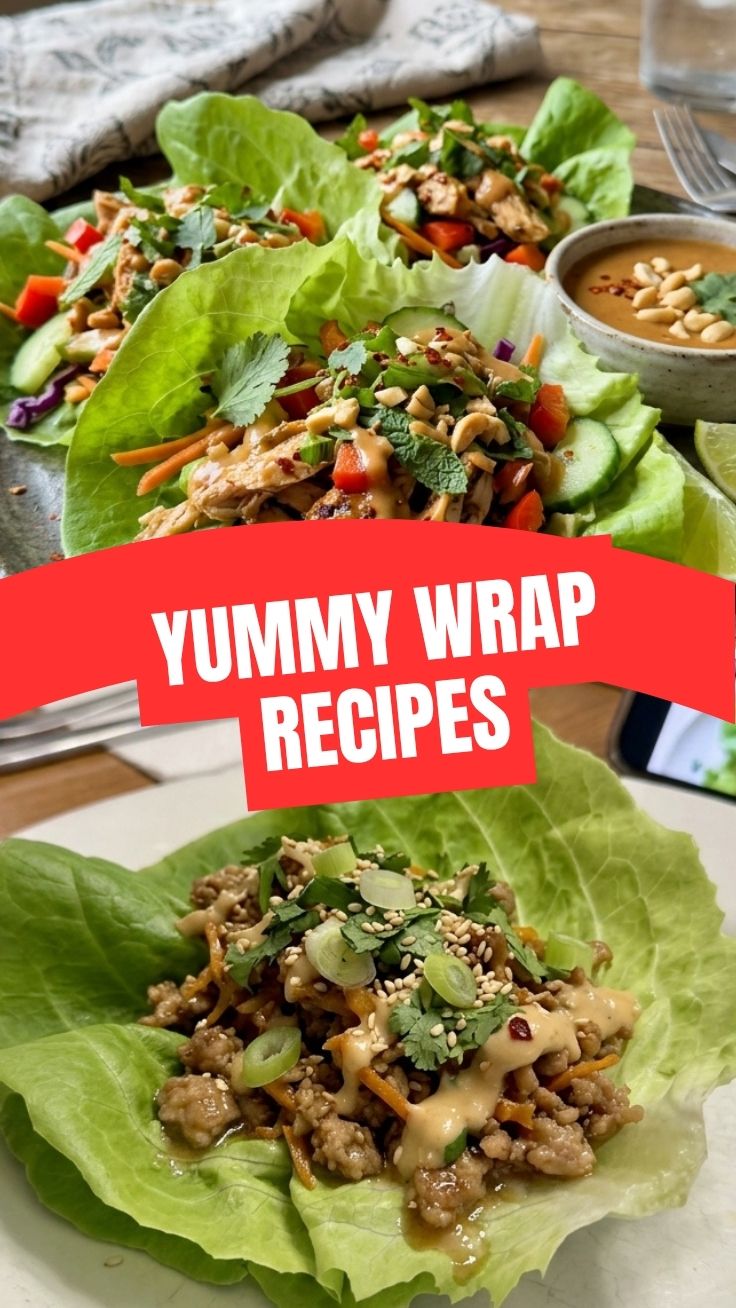
Are you looking for a way to enjoy bold flavors without the extra carbs or calories? Imagine biting into a crisp, refreshing wrap that delivers all the satisfaction of a traditional sandwich—but with a fraction of the guilt. That’s exactly what you get with low calorie lettuce wrap recipes. These wraps are not only light and refreshing but also incredibly versatile, making them perfect for a quick lunch, a dinner packed with nutrients, or even a crowd‑pleasing appetizer. Preparing them at home is valuable because you control every ingredient, ensuring freshness, customizing flavors to your preference, and avoiding the hidden oils and sugars often found in restaurant versions. Plus, with a focus on whole foods, you can easily create healthy lettuce wraps that support your wellness goals without sacrificing taste.
Ingredients & Kitchen Tools
Ingredients (serves 4):
– 1 large head of butter lettuce or iceberg lettuce (or 2 romaine hearts) – choose sturdy leaves that hold fillings without tearing.
– 1 lb (450 g) lean ground turkey or chicken – you can substitute with extra‑firm tofu or ground beef (80/20 works but adds calories).
– 1 tablespoon olive oil – for sautéing; use avocado oil if preferred.
– ½ cup finely diced onion – yellow or red onion adds sweetness.
– 2 cloves garlic, minced – fresh garlic gives the best aroma.
– 1 tablespoon low‑sodium soy sauce (or tamari for gluten‑free) – brings umami without excessive salt.
– 1 teaspoon ground cumin – warm, earthy note.
– 1 teaspoon smoked paprika – adds depth.
– ½ teaspoon chili flakes (optional) – for a gentle kick.
– ¼ cup chopped fresh cilantro – garnish; can swap with parsley if cilantro isn’t your favorite.
– 1 tablespoon fresh lime juice – brightens the dish.
– Salt and black pepper to taste.
Optional additions: diced bell peppers, shredded carrots, sliced cucumber, or a dollop of Greek yogurt (for creaminess).
Kitchen tools:
– Large non‑stick skillet or wok
– Cutting board and sharp knife
– Measuring spoons
– Wooden spoon or spatula
– Mixing bowl (for optional toppings)
– Paper towels (to dry lettuce leaves)
Prep Time & Cooking Schedule
– Prep time: 10 minutes – wash and dry lettuce, dice onion and garlic, measure spices.
– Cook time: 12–15 minutes – the filling comes together quickly over medium heat.
– Total time: about 25 minutes, perfect for a busy weeknight.
– No marinating or resting needed, but you can prep the filling a day ahead to speed up dinner.
Schedule tip: While the filling cooks, you can arrange the lettuce cups and prepare any raw toppings (shredded carrots, cucumber slices). This way everything is ready to assemble as soon as the filling is done.
Step-by-Step Instructions
1. Prepare the lettuce: Gently separate 8–10 large leaves from the head of lettuce. Wash them under cold water and pat dry with paper towels. Trim any thick stem ends so the cups sit flat. Set aside.
2. Cook the aromatics: Heat olive oil in a large skillet over medium heat. Add diced onion and cook for 2 minutes until translucent. Stir in minced garlic and cook for another 30 seconds until fragrant.
3. Brown the protein: Add ground turkey (or your chosen protein) to the skillet. Break it apart with a wooden spoon and cook for 6–8 minutes, stirring occasionally, until no longer pink. For a juicier texture, avoid over‑browning.
4. Season and simmer: Stir in soy sauce, cumin, smoked paprika, and chili flakes. Cook for 1 minute, then add 2 tablespoons of water to create a light sauce. Let it simmer for 2–3 minutes until most liquid evaporates. Taste and adjust salt and pepper. Remove from heat.
5. Finish and serve: Squeeze fresh lime juice over the filling and toss in chopped cilantro. Spoon about ¼ cup of the warm mixture into each lettuce cup. Top with any extras like shredded carrots or a spoonful of Greek yogurt if desired.
> Tip for perfect texture: If the filling seems too wet, let it cook an extra minute uncovered. If it feels dry, add a splash of water or low‑sodium broth. The goal is a moist, cohesive filling that stays neatly inside the lettuce wrap. This approach makes these low calorie lettuce wrap recipes especially satisfying because every bite is balanced. For those seeking healthy lettuce wraps, you can also swap the turkey for crumbled tempeh or lentils to boost plant‑based protein.
Nutritional Benefits & Advantages
Each serving (2 lettuce wraps with turkey filling) contains roughly 200–250 calories, 25 g protein, 10 g fat, and only 6 g carbohydrates—making it an excellent option for low‑carb, keto, or calorie‑conscious eaters. Lettuce itself is over 95% water, providing hydration and a dose of vitamins A and K with minimal calories. The lean protein supports muscle maintenance and satiety, while spices like cumin and paprika offer antioxidants that reduce inflammation. By using lettuce instead of tortillas or bread, you also cut out refined flour and added sugars, keeping blood sugar levels stable.
Tips, Variations & Cooking Advice
– Flavor twists: Try an Asian‑inspired version with ginger, sesame oil, and a splash of rice vinegar. Or go Mediterranean with chopped olives, sun‑dried tomatoes, and crumbled feta (omit feta for dairy‑free).
– Protein swaps: Ground chicken, pork, or extra‑firm tofu all work well. For a vegetarian option, use black beans and quinoa smashed together.
– Make it gluten‑free: Use tamari or coconut aminos instead of soy sauce, and ensure all seasonings are certified gluten‑free.
– Add crunch: Sprinkle toasted sesame seeds, chopped peanuts, or slivered almonds just before serving.
– Portion adjustment: For a larger meal, serve the filling over a bed of mixed greens instead of using lettuce cups—still low‑calorie and just as tasty.
Common Mistakes to Avoid
– Using wilted or thin lettuce: Choose crisp, sturdy leaves like butter lettuce or romaine hearts. Avoid flimsy leaves that won’t hold the filling.
– Overfilling the cups: A generous ¼ cup per wrap is enough. Too much will cause the lettuce to tear and turn messy.
– Overcooking the protein: Ground turkey dries out quickly. Cook just until no longer pink, then remove from heat. The residual heat will finish cooking without drying.
– Skipping the drying step: Excess moisture on the lettuce makes the wraps soggy. Pat leaves dry thoroughly before assembling.
Storage & Meal Prep Tips
– Refrigerate: Store leftover filling in an airtight container for up to 3 days. Keep lettuce leaves separate in a zipper‑lock bag with a paper towel to absorb moisture.
– Freeze: The filling freezes well for up to 2 months. Thaw overnight in the fridge and reheat in a skillet with a splash of water.
– Reheat: Warm the filling in a pan over medium heat for 3–4 minutes, stirring occasionally. Do not microwave the lettuce—it will become limp. Assemble fresh wraps after reheating.
– Meal prep: Cook a double batch of filling on Sunday. During the week, simply wash lettuce, spoon in the reheated filling, and add fresh toppings for a 5‑minute meal.
Conclusion
Making these lettuce wraps at home is a smart way to enjoy a flavorful, satisfying meal that fits seamlessly into a balanced lifestyle. By using fresh ingredients and controlling the seasoning, you can tailor each batch to your taste while keeping calories in check. Whether you call them low calorie lettuce wrap recipes or simply healthy lettuce wraps, this dish proves that eating well doesn’t mean sacrificing flavor. Give this recipe a try, experiment with your favorite fillings, and share your creations—we’d love to hear how you make it your own!
FAQs
1. Can I use iceberg lettuce instead of butter lettuce?
Yes, iceberg works well for its crunch. Just choose larger, outer leaves and trim the thick core. However, butter lettuce holds its shape slightly better when filled.
2. How do I prevent the wraps from getting soggy if I pack them for lunch?
Store the filling and lettuce separately. Assemble the wraps right before eating. You can also use a deli container with a compartment to keep the lettuce dry.
3. Can I make this recipe vegetarian?
Absolutely! Substitute the meat with crumbled tempeh, cooked lentils, or a mix of black beans and sautéed mushrooms. Adjust the seasoning to match the savory profile.
4. My filling turned out too salty—how can I fix it?
If you over‑salted, add a squeeze of lemon or lime juice to counterbalance. You can also mix in plain cooked rice or extra vegetables (like diced zucchini) to dilute the sodium.
5. What’s the best way to reheat the filling without drying it out?
Reheat gently in a skillet over medium‑low heat with a tablespoon of water or broth. Stir frequently and cover for the last minute to steam it back to moisture.