The Ultimate Guide to Slow Cooker Chicken Soup: A Hearty, Healing Bowl of Comfort
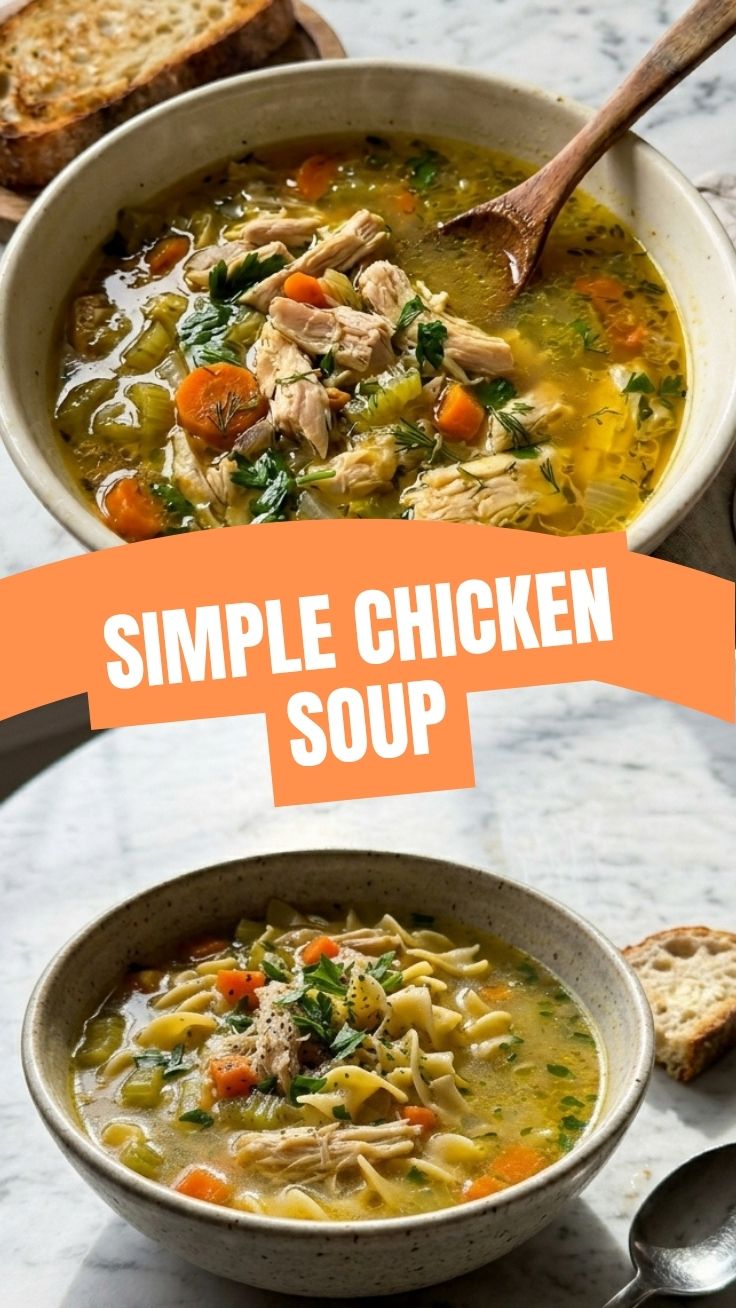
Are you looking for a meal that soothes the soul, warms you from the inside out, and practically cooks itself? If so, you’ve come to the right place. Chicken Soup has long been celebrated as a universal remedy for colds, a comforting hug in a bowl, and a staple of home cooking. Preparing this iconic dish at home is not only cost-effective but also allows you to control every ingredient, ensuring a nutrient-dense, delicious result free from preservatives and excess sodium. This guide will walk you through creating a deeply flavorful version using a slow cooker, a method that unlocks rich, savory flavors with minimal effort. For those seeking variety, exploring other chicken soup recipes can provide a spicy twist on this classic.
Ingredients & Kitchen Tools
Ingredients (Yields 6-8 servings):
– 2 lbs boneless, skinless chicken thighs (or breasts) – Thighs offer more flavor and stay tender during long cooking.
– 4 large carrots, peeled and sliced into ½-inch rounds – Provides natural sweetness and beta-carotene.
– 3 celery stalks, sliced – Adds classic savory notes and crunch.
– 1 large yellow onion, diced – The aromatic base; use a sweet onion for a milder flavor.
– 6 cloves garlic, minced – Boosts immune-supporting properties.
– 8 cups low-sodium chicken broth – Use homemade if possible; stock has more collagen.
– 4 sprigs fresh thyme (or 1 tsp dried) – Earthy, herbal depth.
– 2 dried bay leaves – Removes bitterness after cooking.
– 1 cup wide egg noodles (or ½ cup orzo) – Add at the end to prevent mushiness.
– 2 tbsp fresh lemon juice – Brightens the final flavor.
– Salt and black pepper to taste.
Kitchen Tools:
– 6-quart or larger slow cooker – The core tool for “set it and forget it” cooking.
– Large cutting board and chef’s knife.
– Vegetable peeler.
– Measuring cups and spoons.
– Fine-mesh strainer (optional, for straining broth).
Prep Time & Cooking Schedule
– Prep Time: 15-20 minutes (chopping vegetables, mincing garlic).
– Cook Time (Slow Cooker): 6-7 hours on LOW or 3-4 hours on HIGH.
– Resting Time: 10-15 minutes (for flavors to meld after cooking).
– Total Time: Approximately 7-8 hours for the “low” method.
Cooking Schedule Example:
1. 8:00 AM – Sauté aromatics (optional) and add all ingredients except noodles and lemon.
2. 2:00 PM – Shred the chicken, add noodles, and cook on HIGH for 20-30 minutes.
3. 2:30 PM – Stir in lemon juice, season, and serve.
Step-by-Step Instructions
1. Sauté Aromatics (Optional but Recommended): In a skillet over medium heat, heat 1 tbsp olive oil. Add onion, carrots, and celery; cook for 5 minutes until slightly softened. This step deepens the soup’s flavor by caramelizing natural sugars. Transfer to the slow cooker.
2. Build the Base: Add the chicken thighs, garlic, broth, thyme sprigs, and bay leaves. Stir gently to combine. Season with ½ tsp salt and ¼ tsp pepper (adjust later). The key to perfect chicken soup is using enough liquid to cover the chicken by 1 inch.
3. Slow Cook for Tender Meat: Cook on LOW for 6 hours. The chicken should be fall-apart tender. Use an instant-read thermometer; it should read 165°F. Avoid cooking on HIGH for less than 4 hours, as the meat may remain tough.
4. Shred and Add Noodles: Remove chicken to a plate; shred with two forks. Discard bones and bay leaves. Return shredded chicken to the pot. Add the egg noodles. Switch to HIGH and cook for 20-30 minutes until noodles are al dente.
5. Finalize the Flavor: Stir in fresh lemon juice. Taste and adjust salt (often needs ½-1 tsp more) and pepper. For more depth, add a splash of fish sauce or soy sauce (umami boost). Explore other chicken soup recipes for a spicy twist using andouille sausage or cayenne pepper.
Nutritional Benefits & Advantages
– Protein-Rich: Chicken provides 25-30g of protein per serving, crucial for muscle repair and satiety.
– Immune-Boosting: Garlic, onions, and carrots contain antioxidants and anti-inflammatory compounds (allicin, quercetin). The hot broth helps clear nasal congestion.
– Low in Processed Additives: Homemade versions have 50-70% less sodium than canned varieties (approx. 400-500mg vs 800-1000mg).
– Joint Health: Bone broth (if using chicken bones) is rich in collagen and gelatin, supporting skin and joint health.
– Digestible: Slow-cooking breaks down connective tissues, making the soup gentle on the stomach.
Tips Variations & Cooking Advice
– Spice It Up: For a Kick, add 1 tbsp fresh ginger, ½ tsp turmeric, and a pinch of cayenne. This creates a “golden” anti-inflammatory variant.
– Herb Swap: Replace thyme with 2 tsp dried dill or 1 tbsp fresh rosemary for a different profile.
– Vegetarian Version: Substitute chickpeas for chicken, use vegetable broth, and add 1 cup diced zucchini. Cook same time.
– Gluten-Free Adaptation: Use gluten-free egg noodles (such as those made from brown rice) or skip noodles entirely and double the vegetables.
– Dairy-Free: The recipe is naturally dairy-free, but avoid using milk or cream.
– Portion Control: Freeze individual portions in silicone muffin tins for easy grab-and-go lunches.
Common Mistakes to Avoid
– Cooking Noodles Too Early: Egg noodles become mushy and break down in the broth after 30 minutes. Always add them in the last 20 minutes of cooking.
– Skipping the Sauté: While not mandatory, skipping this step leads to a flat, one-dimensional flavor. The Maillard reaction from browning is irreplaceable.
– Over-Salting: Salt concentrates as liquid evaporates. Start with ½ tsp and adjust at the end, especially if using store-bought broth.
– Burning the Garlic: Add garlic after sautéing onions/carrots, not at the beginning. It burns easily and becomes bitter.
Storage & Meal Prep Tips
– Refrigeration: Store in a lidded container for up to 4 days. The flavors deepen as it sits.
– Freezing: Freeze for up to 3 months in quart-sized bags. Leave 1-inch headspace (liquids expand). Avoid freezing noodles; they become soggy. Add fresh noodles when reheating.
– Reheating: Reheat on the stovetop over medium-low heat, adding a splash of broth or water to loosen. Microwave in 30-second bursts, stirring. Add a squeeze of fresh lemon juice before serving to re-brighten the flavor.
Conclusion
This slow cooker method transforms simple ingredients into a deeply nourishing, soul-warming bowl of Chicken Soup. By using this hands-off technique, you unlock tender meat, a rich broth, and the freedom to customize with your favorite herbs and spices. The key is to layer flavors at the start (sautéing), build depth during the long simmer, and finish with a bright pop of citrus. Whether you stick to this classic or explore other chicken soup recipes like the Cajun version, you now have a blueprint for success. Don’t be afraid to tweak the vegetables or spice level—the best chicken soup is the one you make your own. Share your results in the comments or tag us on social media; we’d love to see your creation!
FAQs (Frequently Asked Questions)
Q1: Can I use chicken breasts instead of thighs?
A: Yes, but breasts tend to dry out on low for 8 hours. Use skinless, bone-in breasts; cook for 5 hours only, and check internal temp (165°F).
Q2: How can I fix a soup that’s too salty?
A: Add a peeled, halved potato or 1 tbsp of apple cider vinegar to the pot and simmer for 10 minutes. The potato absorbs excess salt.
Q3: My broth is cloudy – what happened?
A: Cloudiness usually comes from boiling too hard. Keep the slow cooker on LOW to maintain a gentle simmer. Skimming fat also helps.
Q4: Can I make this in an Instant Pot?
A: Absolutely. Pressure cook on HIGH for 15-20 minutes (chicken, broth, veggies, no noodles). Quick release, shred chicken, then add noodles and simmer for 3-5 minutes.
Q5: What’s the best way to reheat without drying out noodles?
A: Reheat in a saucepan over medium-low heat with ¼ cup of added broth. Noodles absorb liquid; this addition keeps them from becoming gluey.
Quick way to grow 15 Chicken Soup recipes
Ingredients
Equipment
Method
- Start with a fundamental understanding of chicken soup ingredients.
- Identify key components like broth, chicken, and aromatics.
- Brainstorm a variety of common additions such as noodles, rice, potatoes, carrots, celery, and different herbs.
- Combine these elements creatively to form distinct recipe ideas.
- Explore regional variations like Asian-inspired or Mexican-themed chicken soups.
- Consider dietary modifications such as gluten-free or low-carb options.
- Focus on unique ingredient combinations to generate diverse recipes.
- Document each concept with a short title and a descriptive summary.
- Review and refine your list to ensure each of the 15 recipes is distinct.
- Ensure consistency in the conceptual approach across all generated recipes.