The Ultimate Guide to Baking a Perfect New York Cheesecake at Home
Have you ever wondered why some cheesecakes are unbelievably creamy while others turn out crack-ridden and dense? The secret lies in the technique behind a true New York Cheesecake—a dessert that combines rich cream cheese, eggs, and a tangy sour cream topping for an iconic velvety texture. Making it at home saves you a trip to a fancy bakery, lets you control the sweetness, and gives you the satisfaction of creating a restaurant-quality treat. If you prefer a slightly lighter, fluffier version, you can adapt the recipe to a Philadelphia Cheesecake by swapping in a few ingredients. In this guide, we’ll walk through every step so you can nail a flawless cheesecake from your own oven.
—
Ingredients & Kitchen Tools
| Ingredient | Purpose | Optional Substitution |
|————|———|———————-|
| 2 lbs (900g) full-fat cream cheese, room temperature | Creates the classic dense, creamy base | Neufchâtel cheese for lower fat (texture will be slightly less rich) |
| 1 cup (200g) granulated sugar | Sweetness and structure | Coconut sugar or monk fruit sweetener (adjust for taste) |
| 5 large eggs, room temperature | Binds and stabilizes the custard | 4 eggs + 1 egg yolk for extra richness |
| 2 tsp vanilla extract | Flavor depth | Vanilla bean paste or scraped vanilla bean |
| 1 cup (240g) sour cream (for topping) | Tangy finish and smooth top | Greek yogurt (plain, full-fat) |
| 1½ cups (150g) graham cracker crumbs (for crust) | Buttery, crunchy base | Crushed digestive biscuits, shortbread cookies, or gluten-free graham crackers |
| ¼ cup (60g) unsalted butter, melted | Binds crust | Coconut oil (for dairy-free) |
| Pinch of salt | Balances sweetness | – |
| Tools: 9-inch springform pan, stand mixer or hand mixer, rubber spatula, large roasting pan (for water bath), aluminum foil, cooling rack | – | – |
—
Prep Time & Cooking Schedule
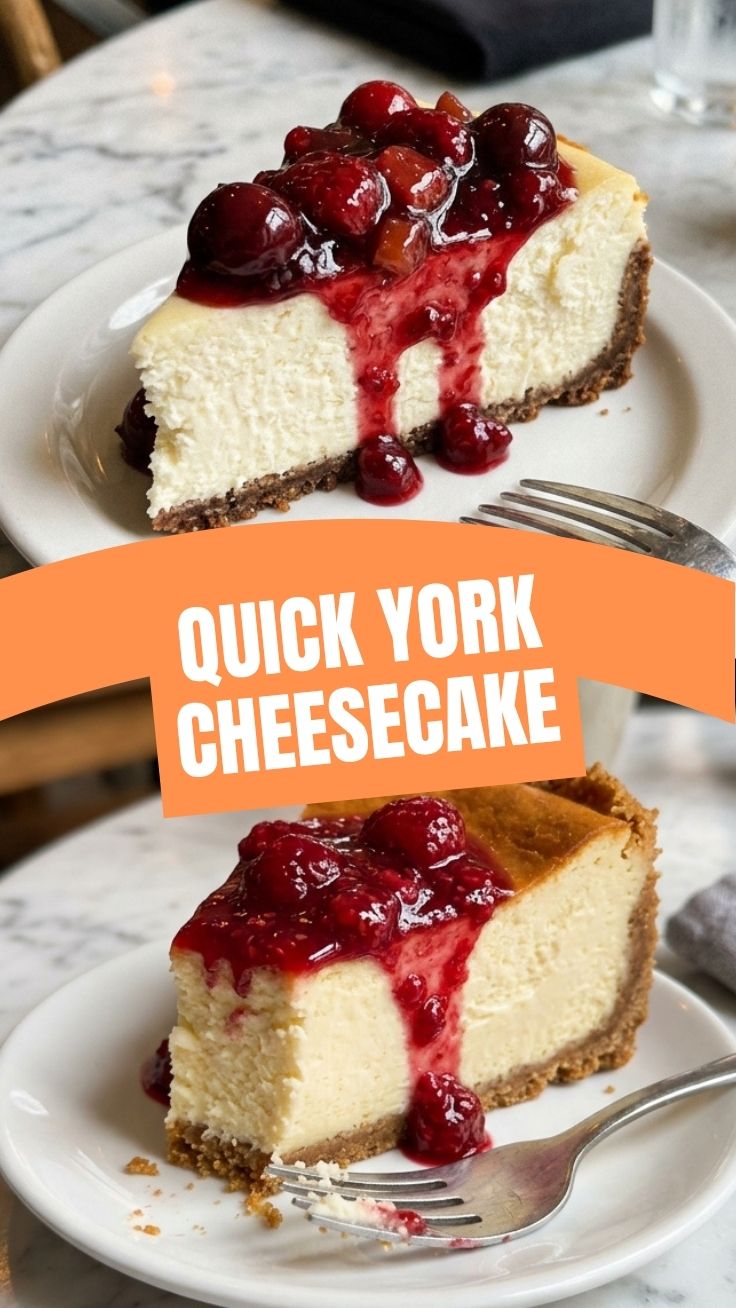
– Prep time: 30 minutes (including crust and batter)
– Bake time: 60–70 minutes at 325°F (163°C)
– Cooling time in oven: 1 hour (leave door cracked)
– Chill time: At least 6 hours, ideally overnight
– Total time: ~8 hours (mostly inactive)
Plan ahead! The long chill is non‑negotiable for a perfectly set cheesecake. Make it the day before you serve.
—
Step-by-Step Instructions
1. Prepare the crust. Preheat oven to 350°F (175°C). In a bowl, combine graham cracker crumbs, melted butter, and a pinch of salt. Press firmly into the bottom of a springform pan lined with parchment. Bake 10 minutes, then cool completely. Wrap the outside of the pan with heavy-duty foil (three layers) to prevent water from leaking during the water bath.
2. Make the cheesecake batter. In a large bowl, beat room-temperature cream cheese on medium speed until smooth (about 2 minutes). Scrape the bowl. Add sugar and beat until fluffy. Add eggs one at a time, mixing on low after each—over‑mixing adds too much air and causes cracks. Stir in vanilla.
3. Assemble and bake. Pour batter onto cooled crust. Place the springform pan inside a large roasting pan. Pour hot tap water into the roasting pan until it reaches halfway up the sides of the springform. Bake at 325°F for 60–70 minutes; the edges should be set but the center will still wobble slightly. Turn off the oven, crack the door, and let the cheesecake cool inside for 1 hour.
This classic New York Cheesecake recipe relies on a low, slow bake and a water bath for a silky texture. If you prefer a lighter, airier result, you can use the same technique but replace half the cream cheese with whipped ricotta for a Philadelphia Cheesecake style—just note the bake time may shorten by 5–10 minutes.
4. Add sour cream topping (optional). After cooling in the oven, spread sour cream mixed with 1 tablespoon sugar over the top. Return to the oven (still off) for 10 minutes to set.
5. Chill completely. Refrigerate uncovered for at least 6 hours (overnight is best). Run a knife around the edges before releasing the springform.
—
Nutritional Benefits & Advantages
Cheesecake isn’t a health food, but it does offer some perks. Cream cheese provides calcium (about 6–8% of daily needs per slice) and a small amount of protein. The eggs contribute vitamin D and B12. Using a graham cracker crust adds a bit of fiber compared to flour‑based crusts. If you want to cut calories, opt for a Philadelphia Cheesecake with reduced‑fat cream cheese and a nut‑based crust—it’s still indulgent but lighter on the waistline.
—
Tips Variations & Cooking Advice
– Flavor variations: Swirl in lemon zest, raspberry purée, or melted chocolate before baking.
– Dairy‑free adaptation: Use vegan cream cheese and butter, and substitute sour cream with coconut cream.
– Gluten‑free: Replace graham crackers with almond flour + cinnamon + butter.
– No water bath shortcut: Bake at 300°F (150°C) for 75 minutes, but expect more browning and potential cracks. Place a pan of hot water on the lower rack to mimic steam.
– Portion changes: Halve the recipe using an 8‑inch pan (bake 40–45 minutes).
—
Common Mistakes to Avoid
| Mistake | Solution |
|———|———-|
| Cracked surface | Use a water bath, cool slowly in the oven, don’t over‑mix. |
| Dense, rubbery texture | Over‑baking or over‑mixing. Remove when center is slightly jiggly. |
| Soggy crust | Pre‑bake the crust and brush with melted butter or chocolate. |
| Uneven baking | Make sure all ingredients are at room temperature before mixing. |
—
Storage & Meal Prep Tips
– Refrigeration: Store in an airtight container for up to 5 days. Cover with plastic wrap directly on the cut surfaces to prevent drying.
– Freezing: Wrap individual slices in plastic then foil. Freeze for up to 3 months. Thaw overnight in the fridge.
– Reheating: Serve cold or at room temp. For a warm dessert (e.g., with hot fudge), microwave a slice for 10–15 seconds.
—
Conclusion
Mastering a New York Cheesecake at home gives you the ultimate creamy, tangy dessert that impresses every time. Whether you stick with the classic or experiment with the lighter Philadelphia Cheesecake style, the key is patience—slow baking, careful cooling, and thorough chilling. We encourage you to try this recipe, snap a photo, and share your results. For more decadent desserts, check out our other baking guides.
—
FAQs
1. Can I use low‑fat cream cheese?
Yes, but the texture will be less rich and more prone to cracking. Add 1 extra egg yolk for stability.
2. My cheesecake cracked—what went wrong?
Most likely over‑baking or a sudden temperature change. Always use a water bath and cool in the oven with the door open.
3. How do I know when the cheesecake is done?
The edges should be set and the center should jiggle like Jell‑O when you gently shake the pan. A thermometer should read 150°F (65°C).
4. Can I skip the water bath?
Yes, but expect a darker top and more cracks. Place a pan of hot water on the lower rack to add moisture.
5. Can I freeze the whole cheesecake?
Yes, but wrap it very tightly. Thaw in the fridge overnight. The sour cream topping may weep slightly after thawing.
Proven way to grow 7-layer New York Cheesecake
Ingredients
Equipment
Method
- Preheat your oven to 350°F (175°C) and grease a 9-inch springform pan; wrap the outside with aluminum foil to prepare for a water bath.
- Combine the crushed graham crackers, 1/4 cup sugar, and melted butter, then press this mixture evenly into the bottom of the prepared springform pan.
- Bake the crust for 8-10 minutes, then remove it from the oven and set it aside to cool while you prepare the filling.
- In a large bowl, beat the softened cream cheese until it is smooth and creamy with no lumps.
- Gradually add the 1.5 cups of sugar and flour, mixing well until thoroughly combined.
- Stir in the sour cream and vanilla extract until just blended, being careful not to overmix.
- Beat in the eggs one at a time, incorporating each fully before adding the next, until the mixture is smooth and consistent.
- Pour the cream cheese filling over the cooled crust in the springform pan.
- Place the springform pan into a larger baking pan and fill the outer pan with hot water to about halfway up the sides of the springform pan, creating a water bath.
- Bake for 60-75 minutes, or until the edges are set but the center still jiggles slightly; turn off the oven and let the cheesecake cool inside with the door ajar for 1 hour.
- Remove the cheesecake from the water bath, carefully remove the foil, and let it cool completely on a wire rack.
- Once cooled, refrigerate the cheesecake for at least 4 hours, or preferably overnight, before serving.
- If desired, for the topping, combine 1 cup sour cream, 1/4 cup sugar, and 1/2 teaspoon vanilla extract; spread over the chilled cheesecake.
- Return the cheesecake to the oven for 5-7 minutes at 350°F (175°C) to set the topping, then cool and refrigerate again for at least an hour before serving.